Automatic language translation
Our website uses an automatic service to translate our content into different languages. These translations should be used as a guide only. See our Accessibility page for further information.
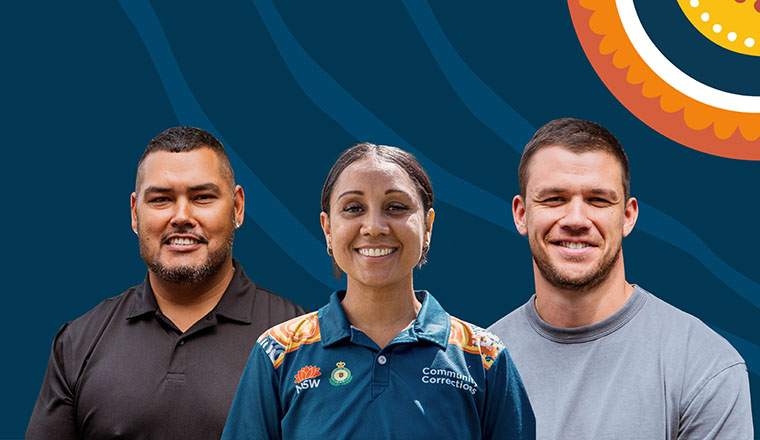
At DCJ we can make a huge difference in the lives of Aboriginal families and communities in NSW. That’s why we want Aboriginal people to have a strong voice when making decisions about their children, their families, and their future.
By having more Aboriginal staff in DCJ we can build staff’s capability to work with communities in a way that builds trust.
That’s why we need you. That’s why we want you. That’s why we’ll achieve so much more if you’re here with us.

Why do we need more Aboriginal psychologists in Corrective Services?
Why do we need more Aboriginal psychologists in Corrective Services?
The reason I studied psychology was to make a difference with Indigenous people, to make a difference to deaths in custody. I wouldn’t be here otherwise.
I’d encourage the 1% of Indigenous psychologists that are out there, or perhaps Indigenous people who are out there considering psychology — you know, give it a go. Come into Corrections. You’ll make a real difference. You’ll enjoy your work.
It’s very fulfilling and it’s something that’s unique. You won’t experience it somewhere else.
For our people out there in the community that maybe have never thought of becoming a psychologist or coming and working in Corrections, they see us and they realise it’s possible.

Why do we need more Aboriginal leaders at DCJ?
Why do we need more Aboriginal leaders at DCJ?
One thing that stayed constant in all of my roles is being connected to the work and the people that I’m working for.
I’m able to help shape the way that services are delivered for Aboriginal communities and families, make sure that they’re culturally informed and community-led, and that they really meet the needs of the families that we’re serving.
Aboriginal people are best served when we have Aboriginal people in leadership roles that are shaping policy and practice.
It’s definitely fulfilling to know that I’m making a difference in DCJ.

Why do Aboriginal voices matter in the justice system?
Why do Aboriginal voices matter in the justice system?
I think it’s really important to see us represented in these roles because, for a long time, there weren’t Aboriginal people in these roles. We have a lot of different knowledge and perspectives to offer.
So, we’re very good at de-escalating situations and calming people down and stuff like that. I love my community, and I want my community to be the best that it can be. Being able to assist people in the Aboriginal community is what I’ve signed up for.
Just helping people is what I’m most proud of. Being in a role where I can say that I’ve made someone’s experience a little bit easier.
There are spots for us here as Aboriginal people, and it’s definitely worth it.

Brendan Thomas, Deputy Secretary of Transforming Aboriginal Outcomes here at the Department of Communities and Justice explains why we need more Aboriginal people working with us at DCJ.
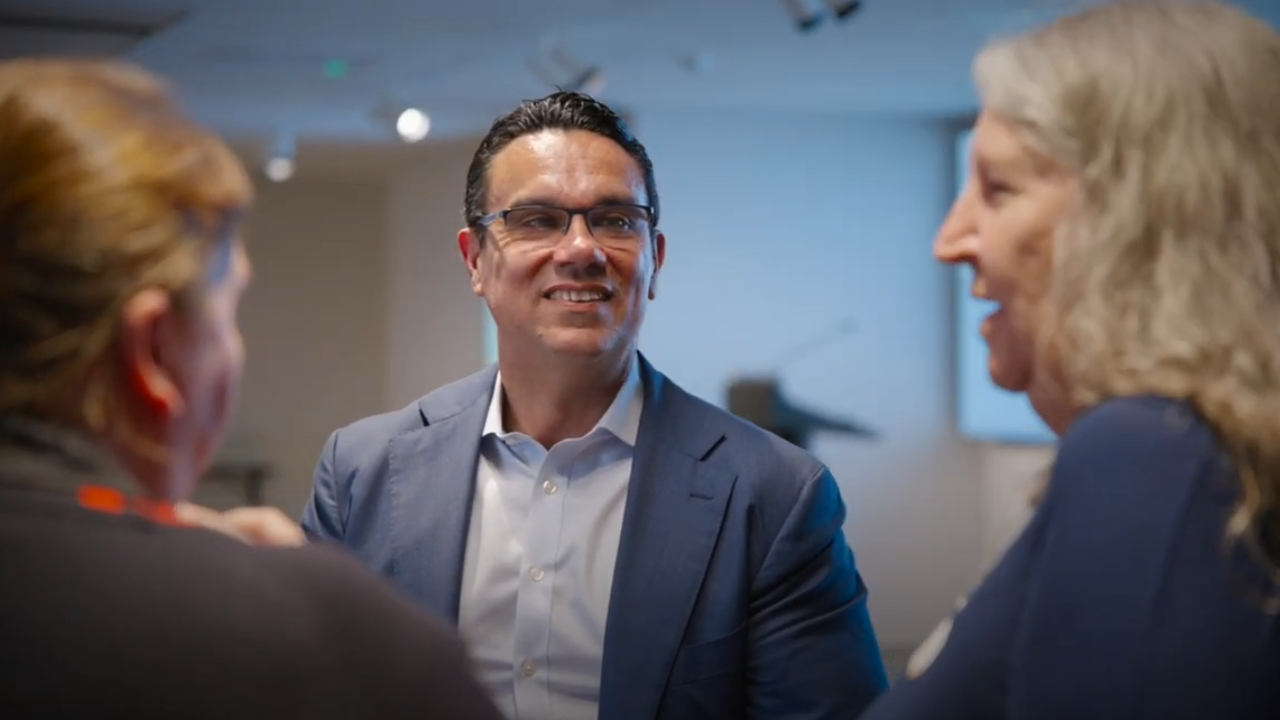
(Video begins with uplifting music and Brendan talking to different Aboriginal colleagues in the office)
Brendan Thomas: My name's Brendan Thomas, and I'm leading Transforming Aboriginal Outcomes here at the Department of Communities and Justice. We need more Aboriginal people working with us here at DCJ.
(Different DCJ Aboriginal staff are having conversations).
The work that we do profoundly touches the lives of so many Aboriginal people and families across New South Wales.
(NSW map is shown with different locations highlighted)
In housing, in the care and protection system, (Aboriginal man looks at casework practice webpage), in the welfare of children and right throughout the criminal justice system (footage inside of courtroom).
Unfortunately, our mob is over-represented in all of those areas and we really need to make some profound change.
(Aboriginal men and women talking to young men in Youth Justice).
The only way we're going to do that is with you. If you come and work with us and help us make the change that we need for our families, we'll make profound differences for our people in our community.
(Footage of corroboree at Youth Justice).
With you working for us, we can put our culture at the center of what we do, we can make sure that Aboriginal voices are making decisions for Aboriginal clients, we can make sure our communities trust the services that we provide, and we can really reform the services we provide to aboriginal people (young Aboriginal mum feeds baby) to make the difference that we want to make for our communities and build a positive future for our people. We need you to come and work with us because nobody knows our families like we do.
(Faces of different Aboriginal staff and families are shown smiling to camera).
(Music fades and animated NSW government logo appears)
Learn about Kasey's story working at Youth Justice and why she believes it’s important for Aboriginal people to have a seat at the tables where decisions are made.

Kasey shares why Aboriginal representation in Youth Justice can help shape better outcomes for young people, families and communities.
Kasey shares why Aboriginal representation in Youth Justice can help shape better outcomes for young people, families and communities.
“It is incredibly important that there are Aboriginal and Torres Strait Islander voices sitting at the tables where the decisions and the plans are made for our young people.
Growing up with a similar background to our young people in Youth Justice, it’s something that’s made me really passionate and dedicated to being a part of the systemic changes and the decisions that impact the young people, the experience that their families and community members have when they have a young person in our custody.”
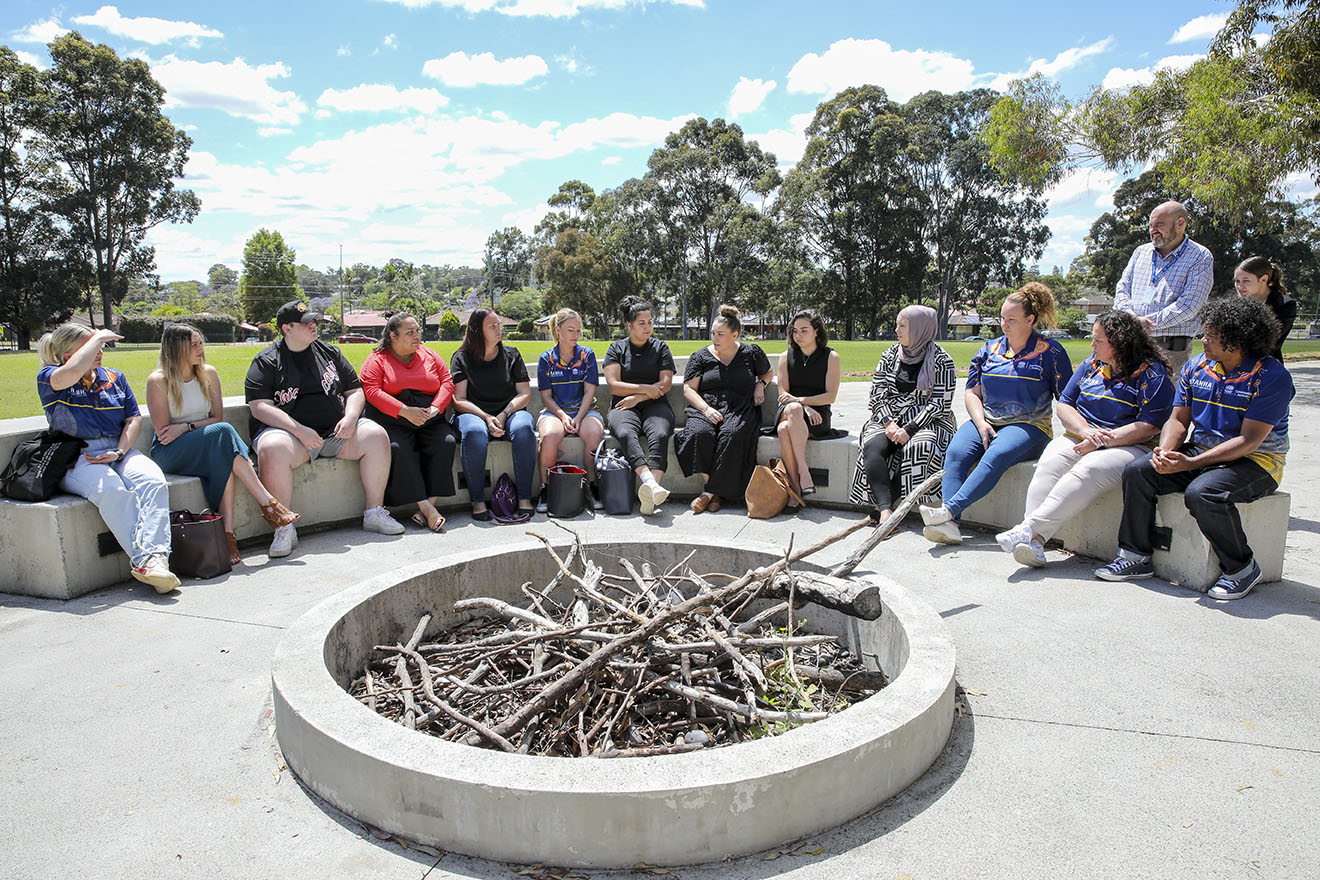
We have a variety of different programs for Aboriginal job seekers, including pre-employment programs.
DCJ offers school based traineeships for Aboriginal students where the student learns about the industry and job while getting hands-on experience.


DCJ offer full time traineeships for Aboriginal people, providing job opportunities for young people and/or mature aged jobseekers.
Paid employment in a graduate and/or cadetship program for Aboriginal law graduates and students.


Pathway to employment in Courts, Tribunals and Service Delivery for Aboriginal and/or Torres Strait Islander peoples.
Building an inclusive, respectful, culturally capable workforce that supports and values Aboriginal and/or Torres Strait Islander people and their culture.

Learn the difference between Aboriginal identified roles and targeted recruitment positions.
Identifying rolesFind what interests you and suits your skills and experience. Search for current job opportunities.
Finding a jobGet the documents together that you might need, for example confirmation of Aboriginality.
Documents you needFind out how to apply and what to include in a cover letter, resume, and other documents.
Applying for a jobWhat to expect when asked to do capability-based assessments and interviews.
Assessments and interviewsWhen successful, your offer will be confirmed in writing. If unsuccessful you can request feedback.
Getting the jobAboriginal and Torres Strait Islander people are encouraged to apply for any roles with DCJ. Find a role where the positive impact of Aboriginal staff is valuable, and your lived experience is vital.
Please note that at DCJ we commonly use the word "Aboriginal", recognising that Aboriginal people are the original inhabitants of NSW, the part of Australia we are responsible for. We acknowledge and respect that Torres Strait Islander people are among the First Nations of Australia and that both Aboriginal and Torres Strait Islander people are an important part of our staff and the communities we work with.
Last updated: